A Nurse's Heart in Every Stitch
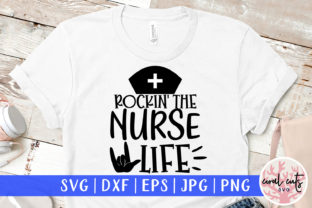
When a design like Rockin the Nurse Life lands in your library, you don't just see a graphic. You see a project. You imagine the fabric it will live on, the hands it will pass through, and the smile it will create. This isn't just a file; it's a ready-made sentiment, perfectly poised for the embroidery hoop.
The Personality in the Pattern
First impressions matter, especially in handmade goods. This design has a confident, celebratory mood. It’s not a quiet thank you; it’s a bold declaration of pride. The layout feels balanced and ready to stitch, with a clear focal point that suggests it belongs on something worn or displayed—a badge of honor, literally. The visual personality is friendly and strong, making it a natural fit for a custom sweatshirt for a nursing student graduating, a tote bag for a seasoned nurse heading to work, or a cozy pillow cover for a nurse's lounge. It speaks directly to a community, and that’s powerful.
Where This Design Finds Its Home
In practical terms, Rockin the Nurse Life is versatile. I immediately picture it on mid-weight fabrics where the embroidery can sit comfortably without distorting the material. A classic crewneck sweatshirt is a prime candidate—the design would sit nicely on the left chest or across the back. Embroidered canvas tote bags are another excellent home, turning a simple bag into a profession-specific accessory. For a more delicate application, consider a tea towel or apron as a heartfelt gift; the design’s message adds a personal touch to everyday items.
Baby items and caps require a bit more forethought. On a baby onesie, the scale would need to be adjusted carefully, and you’d want to use a very soft stabilizer to maintain comfort. For a cap, the curved surface demands testing—some lettering or elements might need simplification depending on the final stitch density and file detail. It has the potential to work beautifully as a custom apparel element for small shops catering to medical professionals.
Projects That Demand Extra Attention
Some applications require a designer’s careful eye. Thin or stretchy fabrics, like certain t-shirt knits, can be tricky. The potential stitch density, if high, might cause puckering without the right stabilizer strategy. Embroidering directly onto dark fabrics also invites a challenge: you must ensure your thread color palette has enough contrast to keep the message crisp and readable. For a design with personality like this, clarity is everything.
Small hoop sizes might compress the details too much. It's wise to envision the design at its intended size before committing. Similarly, textured fabrics like some blankets could obscure finer details. The goal is to let the design’s celebratory mood shine through clean stitching.
How a Strong Design Elevates Your Work
Using a well-composed design like this does more than decorate a product. It boosts perceived value. A clean, professional-looking embroidery file translates to a polished finished product. That builds customer trust and enhances your brand consistency, whether you're a hobbyist making gifts or a small business selling merchandise. For a nurse receiving this on a gift, it feels considered and special—the giftability is high. For a buyer on Etsy, it signals recognition and professionalism, increasing engagement.
The handmade presentation becomes about the quality of the sentiment as much as the quality of the stitch. It’s a commercial embroidery asset that, when executed well, looks intentionally crafted.
Practical Notes Before You Hoop It Up
Always, always test on scrap fabric first. Use the same material and weight as your final project. This is your moment to check thread color contrast—run a section in your chosen colors on both light and dark scraps if you plan to offer both options. Inspect the small details in the provided files; how will tiny lettering or decorative accents translate into stitches?
Review the stitch density by looking at the file previews in your software. Confirm that your planned hoop size can accommodate the design without forcing you to shrink it into a muddy puddle of details. Use proper stabilizer; it’s the unsung hero of crisp embroidery. And crucially, before selling finished items, confirm the licensing terms for this graphics file. Does it allow for commercial use of the embroidered products? That step is non-negotiable for creative entrepreneurs.
Remember, the file types included are SVG and DXF for cutter machines. This speaks to its versatility for creating applique bases or other prep work, but for machine embroidery, you'll be working from your converted or derived file. Your final embroidery file’s performance—the satin stitch edges, fill stitch areas, running stitch outlines—will depend on your digitization settings. So, your practical judgment in that conversion process is key.
The Final Stitch: A Design Ready for Real Life
Rockin the Nurse Life is more than a craft graphics product. It’s a design asset with immediate emotional resonance. It feels ready for real-life embroidery situations: from a holiday gift for a burnt-out nurse colleague to a standard item in a boutique focused on medical professionals. Its strength is its clear, audience-specific message.
Approach it with the careful steps of any professional embroidery project, and it will reward you with a finished piece that feels both personal and polished. It’s a design that understands its purpose, and that’s the best starting point any embroidery designer can have.