From Digital Design to Stitched Reality: The Medical Team Pattern
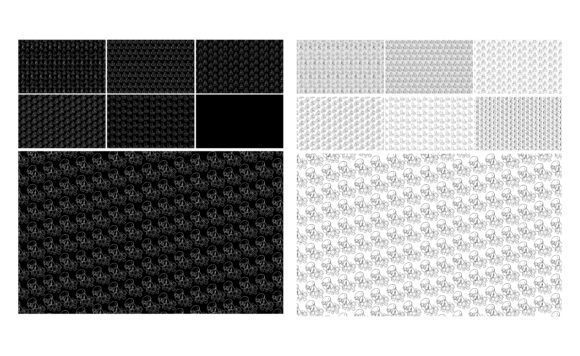
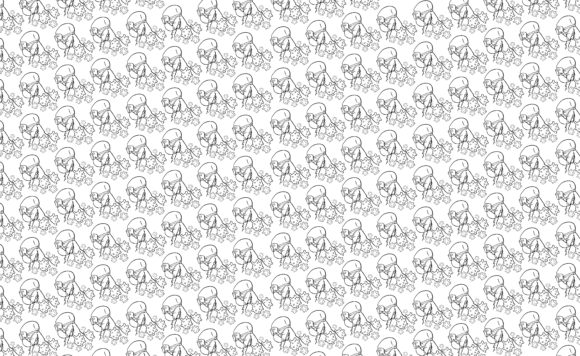
When you open a new embroidery file, the first question isn’t just about its technical specs—it’s about its soul. As a designer who stitches for clients and my own shop, I look for the story a design will tell on fabric. The Paper Warp with Medical Team Pattern isn’t just a collection of lines; it’s a graphic with a distinct mood. Its playful, slightly abstracted shapes of medical professionals create an immediate sense of warmth and recognition.
The Feel of the Design: Friendly, Modern, and Gift-Ready
The layout feels balanced, not overly crowded, and the detail level is illustrative rather than hyper-realistic. This is a significant advantage for embroidery. Fine, photographic details can become muddy in satin stitch or dense fill areas, but this graphic style has a visual personality that translates well into thread. It feels modern, approachable, and instantly suggests a practical use case: it’s a giftable design. I pictured it on a pillow cover for a nurse’s break room, or as a small emblem on a chef’s apron for a hospital kitchen staff. It creates a mood of appreciation without being overly solemn or corporate.
Where This Pattern Finds Its Perfect Home
In my workflow, I immediately start mentally placing a new design on products. For the Medical Team Pattern, several applications stood out.
Custom apparel like sweatshirts or t-shirts for medical office teams would be a natural fit. The design isn’t overwhelmingly large, so it could sit nicely on a left chest area without dominating the garment. For a more substantial statement, it would center beautifully on a tote bag—a practical gift for a healthcare worker carrying their daily essentials. The clean lines also make it ideal for baby clothes or nursery decor for parents in the medical field, adding a personal touch that’s professional yet sweet.
As a patch, it would be exceptionally versatile. Stitched onto a backpack, a uniform, or a canvas hat, it serves as a badge of honor. For small businesses or Etsy sellers, this design could anchor a line of holiday gifts or thank-you products aimed at the medical community. Its graphic nature also makes it excellent for digital product previews and printable mockups, helping sellers showcase the finished product convincingly in their listings.
The Practical Stitching Considerations
A beautiful digital file needs to prove itself in the hoop. Here’s where realistic judgment comes in.
The design’s success hinges on clarity. The open, illustrative style should help maintain stitching clarity, but I would pay close attention to the smaller interior details. Areas where lines converge or shapes have tiny corners will need a careful test run to ensure the stitch density doesn’t cause puckering, especially on textured fabrics like canvas for a tote or stretchy fabric like a t-shirt. Using the proper stabilizer is non-negotiable here.
For dark fabric backgrounds, thread color contrast is paramount. You’d likely plan for bright, clean whites and contrasting colors to keep the design popping. On curved surfaces like caps, the design’s overall balance should work, but I’d advise testing the orientation—perhaps a slightly simplified version or careful placement to accommodate the curve.
Spaces Where This Design Requires Extra Care
While versatile, some applications demand a designer’s pause. If considering very small hoop sizes to create a miniature version on a baby bib cuff, for instance, the integrity of the figures and any tiny lettering (if present in the file) might be compromised. Embroidering onto thin fabric for a kitchen towel would require a lightweight but effective stabilizer to prevent the design from weighing down the material.
Products that need frequent washing, like aprons or everyday sweatshirts, benefit from the design’s likely moderate stitch density—it shouldn’t be overly bulky—but securing all elements with clean finishes will ensure longevity and maintain that customer trust in your handmade product.
How This Embroidery File Elevates Your Work
Beyond the stitch itself, a design like this impacts your business and creative output. Using a well-composed graphic like the Medical Team Pattern enhances product value. It feels intentional and thoughtful, which boosts giftability and professionalism. For a creative entrepreneur, it offers brand consistency if you’re building a niche around appreciation or medical-themed goods.
The design’s clear recognition factor—it’s unmistakably a medical team—engages buyers immediately. They see not just a decoration, but a symbol that resonates. This direct connection can improve buyer engagement in your Etsy shop or at a craft fair booth.
A Designer’s On-The-Hoop Checklist
Before committing this to a client’s project or a batch of shop merchandise, my personal protocol involves a few key steps. They’re simple but save time, materials, and reputation.
- Test on scrap fabric first. Use the same material and stabilizer you plan for the final product. This reveals how the embroidery file truly performs with your machine settings.
- Check thread color contrast on both light and dark background scraps. Sometimes a digital preview doesn’t show the full story.
- Review stitch density in the actual stitched test. Look for any overly dense fill areas that might need adjustment.
- Confirm your hoop size choice. Does the design scale well to the size you’ve selected? Does it leave enough margin for clean finishing?
- Inspect small details. After stitching, check the clarity of the smallest elements. Are they distinguishable?
- Use proper stabilizer. This is your foundation. Don’t skip it.
- Compare light and dark fabric backgrounds. Your design might sell on both, so know how it looks.
- Since this download includes multiple formats like JPG, EPS, PNG, SVG, and AI, you have flexibility for digital design assets and previews. For the machine embroidery design itself, ensure you are using the correct, compatible file format for your equipment.
- Crucially, confirm licensing before selling finished items or digital products. The provided formats are for your use, but the terms for commercial embroidery and resale of the stitched product must be clear. Do not assume.
Walking through this process with the Paper Warp with Medical Team Pattern turns a digital graphics file into a reliable partner for your crafts. It moves from a screen to a scrap of fabric, and finally, to a finished product that carries meaning—a tote bag for a dedicated nurse, a personalized gift for a new doctor, or a boutique product that speaks directly to a community. That’s the real test of a design, and this one, with its friendly, modern feel and practical composition, seems ready to pass it.