Save the Day: A Designer's Look at a Handmade Gratitude Gift
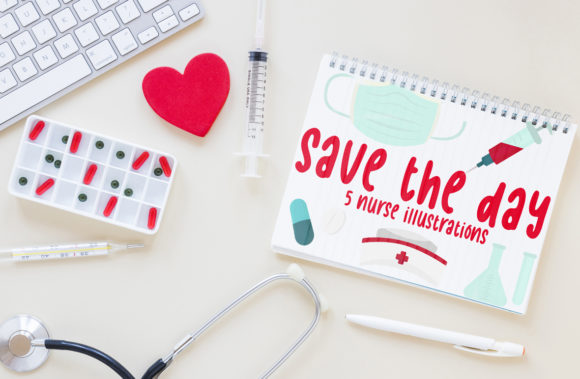
When a design set called Save the Day lands in my project folder, my first instinct isn’t to just open the files. It’s to visualize the finished, stitched product in a real scenario. Who would receive it? How would it look on fabric? This set, with its five illustrations of nurses and hospital equipment, immediately creates a mood of quiet appreciation and professional respect. It’s not flashy or overly sentimental; it has a clean, illustrative personality that feels perfect for a thoughtful, handmade gesture.
The Natural Project Fit for This Gratitude Theme
I picture a client request: a nurse retiring after decades of service, or a gift for a healthcare team that went above and beyond. This isn’t a design for a loud, graphic t-shirt. It naturally belongs on a keepsake. Imagine a beautifully embroidered tote bag for a nurse to carry her belongings to work, or a custom pillow cover for a healthcare worker’s reading nook. The individual elements—the nurse’s cap, syringe, medicine bottle—also lend themselves perfectly to smaller, personalized projects. A single syringe or cap embroidered neatly on the corner of a kitchen towel for a pharmacist, or the laboratory beaker on a cozy sweatshirt for a lab technician. The theme is specific, but the application is wonderfully versatile for personalized gifts.
Visual Appeal and Stitching Clarity in Real Use
For a craft business owner or Etsy seller, the clarity of these illustrations post-stitching is crucial. The shapes appear straightforward, which is a major advantage. On a dark fabric like navy or black, using bright, clean thread colors (whites, light blues, crisp reds for details) would make these icons pop with a professional, sharp finish. On a light baby blanket, perhaps for a neonatal nurse, softer pastel threads would create a gentle, cherished look. The value here is in the recognition—the recipient immediately understands the tribute, and the handmade nature amplifies the sincerity. This builds incredible customer trust and engagement for a seller; it shows you understand the meaning behind the product, not just the stitch count.
Where This Design Needs a Careful Hoop and Fabric Choice
My practical designer notes kick in here. While the illustrations seem clean, any small details—like the potential lines on a syringe or the curve of a nurse’s cap—need attention. I would strongly advise testing on scrap fabric first. If you’re considering a baby item like a onesie or a soft cap, the fabric is often stretchy and thin. A high stitch density in a small area could make the fabric puckery or stiff. For these applications, a larger hoop size for each individual icon might be better, spreading the stitches over a more stable area. Similarly, on a textured fabric like a tea towel or a basketweave apron, the detail might get lost; opting for a slightly larger scale and checking thread contrast against the texture is key.
For curved surfaces like baseball caps, the layout is important. These five elements are separate, so you could skillfully place one or two on the curved panel without distortion, but a dense cluster of all five might not sit flat. Always use the proper stabilizer for the fabric, especially on dark fabric backgrounds where puckering is more visible. And for products meant for frequent washing, like kitchen towels or everyday sweatshirts, a simpler, less dense version of the design (perhaps choosing just one icon) will ensure longevity.
Turning Designs into Commercial and Handmade Assets
For the digital product seller or creative entrepreneur, this set falls into the Graphics and Crafts category as a straightforward asset. Its strength for commercial embroidery projects lies in its clear theme. A small shop specializing in gratitude gifts or corporate appreciation could use this for bulk orders on patches for staff recognition events. However, the absolute first step is to confirm the licensing before selling any finished items or digital derivatives. Does the license allow for commercial use of stitched products? That check is non-negotiable for professional practice.
When creating printable mockups for your Etsy listing or website, show this design in context. Don’t just display the digital file. Show a mockup of the cap design on a denim jacket, or the medicine bottle on a neat tote bag. This helps your buyer—often another crafter or small business owner—see the end-use potential instantly. Compare how it looks on light and dark fabric backgrounds in your previews. This level of practical demonstration elevates your brand consistency and professionalism.
A Final, Friendly Note from the Hoop
Save the Day is a design set that, in my estimation, works best when its purpose is understood. It’s not a generic holiday motif; it’s a specific tribute. That specificity is its power. For a boutique creating custom nurse graduation gifts, or an apparel decorator working with a hospital fundraiser, it’s a ready-made solution. My advice is to embrace its illustrative nature. Let each icon stand alone for smaller projects, or group them thoughtfully for a statement piece. Always, always stitch a test run. Check the thread color contrast for the fabric you’ve chosen, inspect those small details in the actual embroidery file, and see it through the eyes of the recipient. When stitched well on the right product, it becomes more than decoration; it’s a tangible, handmade thank you.