The Paramedic Star of Life as a Design for Real-World Use
A First Impression: Respectful Gravitas
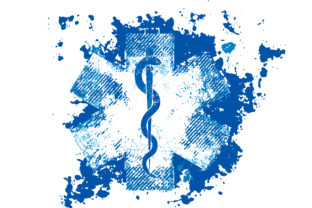
My initial take on the Paramedic EMS Star of Life design? It carries a weight that feels immediately appropriate. It's a symbol that anyone in the EMS community, or their loved ones, recognizes with deep respect. The design isn't overly flashy or whimsical; it communicates seriousness and purpose. That's a crucial mood for any embroidery project where honoring that profession is the goal. As a designer, I appreciate that the core focus is the iconic Star of Life symbol itself.
Where This Design Finds Its Natural Home
This isn't a design you'd casually slap on a beach towel. It has a specific, powerful audience. In real embroidery work, I envision it most naturally on items meant for wear, display, or gift-giving within that community.
For a client project, I might use it to create a custom embroidered sweatshirt or a sturdy tote bag for an EMT student graduating their program. It would be a thoughtful, professional-looking gift. As a small business owner selling at craft fairs, a well-stitched version on a high-quality cap or a durable apron could resonate strongly with first responders or their families. For personalized gifts, imagine it on a keepsake pillow cover or a blanket for a paramedic—it becomes a symbol of pride and identity.
The "grunge" element mentioned in the product description suggests a textured, slightly worn aesthetic. In embroidery, this translates beautifully into projects where a bit of texture and depth is welcome. On a denim jacket or a canvas backpack, that grunge feel would come through in the stitch texture itself, adding character without diminishing the symbol's authority.
Practical Embroidery Performance on Real Products
Moving from vision to the actual hoop, here's how I'd expect the Paramedic EMS Star of Life to perform. On apparel like t-shirts and sweatshirts, the central symbol is clear and bold enough to stand out even from a distance, which is key for embroidery. On a baby item, like a onesie for a paramedic's new child, careful scaling would be needed—the design's gravitas must remain, but the size should be sweet and subtle.
As an embroidered patch, this design has fantastic potential. A dense, clean rendition of the Star of Life on a patch can be applied to anything, from a work bag to a helmet case, offering incredible versatility for a maker. For home goods like a kitchen towel or pillow cover, it becomes a decorative emblem of a household's values.
Points for Caution and Consideration
Any experienced embroiderer knows that a great design file still needs thoughtful application. For the Paramedic EMS Star of Life, pay close attention to scale on very small items like the curved surface of a cap. The six arms of the star and any interior detailing need enough space to remain distinct; cramming it into a tiny hoop might lose clarity.
Stitching on dark fabrics will require a smart choice of thread colors to ensure the symbol pops with the necessary contrast. On thin or stretchy fabrics, proper stabilizer is non-negotiable to maintain the design's crisp shape and prevent distortion. Also, consider stitch density—if the design has areas of solid fill, testing on the final fabric type first is wise to avoid a stiff, board-like feel on garments meant for comfort.
How This Design Elevates Your Final Product
Using a design with such inherent recognition boosts the perceived value of your handmade product. A clean, professional embroidery of this symbol on a tote bag doesn't just look like a bag; it looks like a statement. It builds customer trust because you're handling a respected icon with care. For a creative entrepreneur, it adds a layer of authenticity to your brand if you're catering to niche communities.
Its giftability is high. It feels meaningful. For commercial embroidery projects, like a batch of shirts for an EMS station, it ensures a consistent, dignified brand representation. Ultimately, it engages buyers who are looking for something specific and symbolic, not just decorative.
Notes From the Worktable: A Designer's Checklist
Before running this machine embroidery design on a final project, here’s my practical workflow. Always, always test it on a scrap of your intended fabric first. This reveals how the details translate into stitches and allows you to adjust thread colors for optimal contrast.
- Review the stitch density in your software preview; does it look suitable for your fabric’s texture?
- Confirm your hoop size can accommodate the design at the scale you want, preserving all details.
- Inspect small details closely. The integrity of the Star of Life depends on clean lines.
- Test it in digital black and white mockups to see how it holds up in stark contrast situations.
- Compare how it would look on both light and dark fabric backgrounds—plan your thread palette accordingly.
- Use the proper stabilizer for your substrate; this is key for maintaining that authoritative, crisp look.
- Finally, check the provided file formats and the licensing terms. The product includes SVG and PNG files, which are versatile for digital previews and printable mockups. Ensure you understand the license before selling finished items or digital products to confirm your usage is covered.
The Final Stitch: A Design With Purpose
The Paramedic EMS Star of Life isn't just another graphic; it's a design with a mission. For embroidery designers and makers, it offers a chance to create products that carry real meaning. Its success in real projects hinges on treating it with the technical respect it deserves—mindful scaling, appropriate fabrics, and precise stitching. When done well, it transforms a simple cap, bag, or blanket into a badge of honor. That’s the kind of embroidery project that feels worthwhile, both for the maker and the person who ultimately wears or displays it.